

What You Can Expect When Getting Your Braces
Braces are applied to teeth for various reasons, including poorly aligned jaws, crooked, crowded and missing teeth, or a bad bite (also called malocclusion).
Various things can cause teeth to become crooked or jaws misaligned, including thumb-sucking or a traumatic injury. Some conditions are inherited.
Children between the ages of 7 and 14 are typical candidates for braces because their facial structures are still developing. Adult braces usually entail additional procedures because their faces have already fully developed.
About Braces
Orthodontics is a field of dentistry that deals with corrections involving jaw and teeth alignment.
Braces employ the use of wires and are usually one of three types:
- Old-fashioned, conventional braces, which employ the use of metal strips, or bands.
- Metal or plastic brackets that are cemented or bonded to teeth.
- Brackets that attach to the back teeth (also called lingual braces).
Procedures
Orthodontic procedures, also called orthodontia, are complex processes.
In most cases, a dentist will need to make a plaster cast of the individual’s teeth and perform full X-rays of the head and mouth.
After orthodontic appliances are placed, they need to be adjusted from time to time to ensure that they continue to move the teeth into their correct position.
Retainers are used following braces to ensure that teeth remain in position.
Aesthetic and Comfort Issues
Advances in technology have vastly improved appearance issues with orthodontia.
Braces today are made from extremely lightweight and natural-colored materials. The materials that braces attach to-brackets-are bonded to the surfaces of teeth but can be later removed.
People can expect to wear braces for about two years—less or more in some cases. Adults are usually required to wear braces for longer periods of time.
Because orthodontic appliances need to be adjusted from time to time to ensure they continue to move the teeth into their correct position, they can create pressure on the teeth and jaws. This mild discomfort usually subsides following each orthodontia adjustment.
Hygiene issues
People who wear braces must be diligent in ensuring that food particles and other debris do not get trapped in the network of brackets and wires. In addition, brackets can leave stains on enamel if the area surrounding them is not cleaned on a daily basis.
Daily oral hygiene such as brushing, flossing and rinsing are a necessity. Some people with orthodontic appliances can benefit from using water picks, which emit small pressurized bursts of water that can effectively rinse away such debris.
Another caveat: Braces and sticky foods don’t mix. Crunchy snacks and chewy substances should be avoided at all costs because they can cause orthodontia to be loosened or damaged.
Space Maintainers
Space maintainers are helpful dental devices that can help teeth grow in normally following premature tooth loss, injury or other problems.
The devices can help ensure that proper spaces are maintained to allow future permanent teeth to erupt.
If your child loses a baby tooth early through decay or injury, his or her other teeth could shift and begin to fill the vacant space. When your child’s permanent teeth emerge, there’s not enough room for them. The result is crooked or crowded teeth and difficulties with chewing or speaking.
Leave a Reply

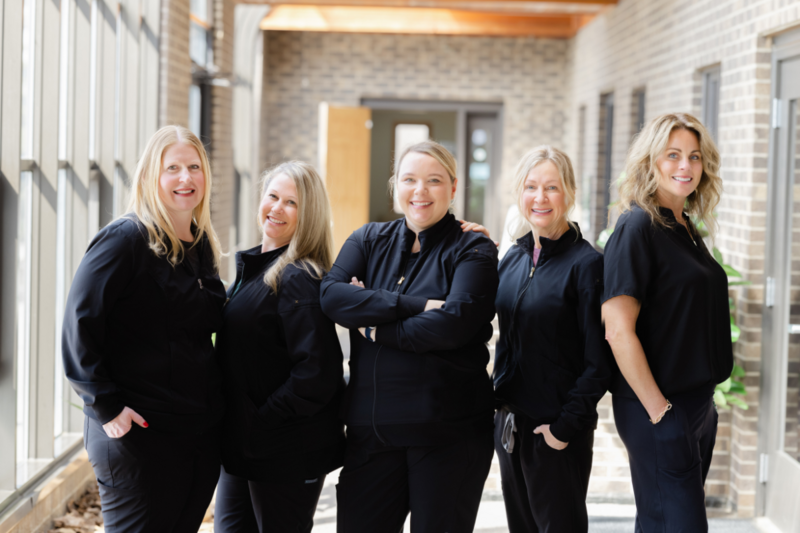
At Twin Oaks Dental, we're not just your average dental office – we're a holistic wellness experience. We firmly believe that your oral health is intimately connected to your overall well-being, and we're on a mission to empower you to live your best, healthiest life.
Our team at Twin Oaks Dental is more than just skilled professionals; we are passionate individuals who strive for excellence in the field of dentistry. Every member of our team maintains the highest levels of accreditation and is committed to ongoing education, ensuring they remain at the forefront of the latest advancements in dental care.
Innovation is a core value of our practice, and we live this value through the continuing education our staff receives along with the leading technology our industry has to offer.
So, if you're seeking more than just a dental appointment, but a transformative wellness experience, Twin Oaks Dental is the place for you.
MORE ABOUT OUR PRACTICE AND TEAM
What Sets twin oaks apart
Systemic Health Screening Built Into Every Visit
We routinely assess for oral signs connected to cardiovascular risk, diabetes, sleep apnea, and inflammatory disease. Early detection at the dental chair can be genuinely life-changing — and we take that responsibility seriously.
Biocompatible, Conservative Care
We are a mercury-free, metal-free practice. We use materials chosen for safety and long-term compatibility with your body, and we follow established safe amalgam removal protocols. Every treatment recommendation is grounded in what's best for your health — we never recommend what isn't necessary.
Advanced Technology for Precise, Comfortable Treatment
From Guided Biofilm Therapy — a precision hygiene system that replaces uncomfortable scraping — to digital low-radiation imaging and same-day treatment options, our technology is chosen to make your care more accurate, more efficient, and significantly more comfortable.
Collaborative Care with Your Health Team
We believe your dentist should be part of your broader healthcare picture. We are building collaborative relationships with physicians, sleep specialists, and other providers in the north metro so that when we identify something beyond our scope, you have a clear path forward. If you have an existing physician or specialist, we welcome the opportunity to coordinate care.
Comfort-Focused, Judgment-Free Environment
We've partnered with Twin Anesthesia to offer professionally administered sedation for patients who need extra support. Beyond sedation, our entire approach is built around clear communication, paced appointments, and a team that genuinely listens. Dental anxiety is common and completely valid — we meet you where you are.
Wellness Services That Complement Your Care
Twin Oaks extends beyond dentistry into esthetic and wellness services — including skincare treatments and IV therapy — reflecting our commitment to supporting your health in every dimension. Our RepeatMD membership gives patients streamlined access to the full scope of our services with built-in rewards and savings.


Be the first to comment